2026 में IELTS के लिए फ्लैशकार्ड कैसे इस्तेमाल करें: शब्दावली, स्पीकिंग, राइटिंग और लिसनिंग के लिए बेहतर कार्ड
मैंने ऐसी IELTS decks देखी हैं जिनमें 400 cards होते हैं, लेकिन फिर भी वे तब कोई मदद नहीं करतीं जब Listening में किसी keyword को paraphrase कर दिया जाए, Speaking Part 2 में दिमाग खाली हो जाए, या Task 2 का जवाब पहली ही पंक्ति के बाद भटकने लगे।
अक्सर यहीं से लोग IELTS फ्लैशकार्ड, IELTS के लिए फ्लैशकार्ड, या IELTS की तैयारी कैसे करें जैसी चीजें खोजने लगते हैं, और मन ही मन सोचते हैं कि deck अब भी बेकार क्यों लग रही है।
IELTS के लिए फ्लैशकार्ड बहुत अच्छी तरह काम कर सकते हैं। समस्या बस यह है कि काम के cards ढीली-ढाली word lists और copied sample answers नहीं होते। काम की चीजें वे हैं जिन्हें आपको समय के दबाव में सच में याद करके निकालना पड़ता है: paraphrases, speaking expansion prompts, writing patterns, और अपनी बार-बार होने वाली गलतियां।
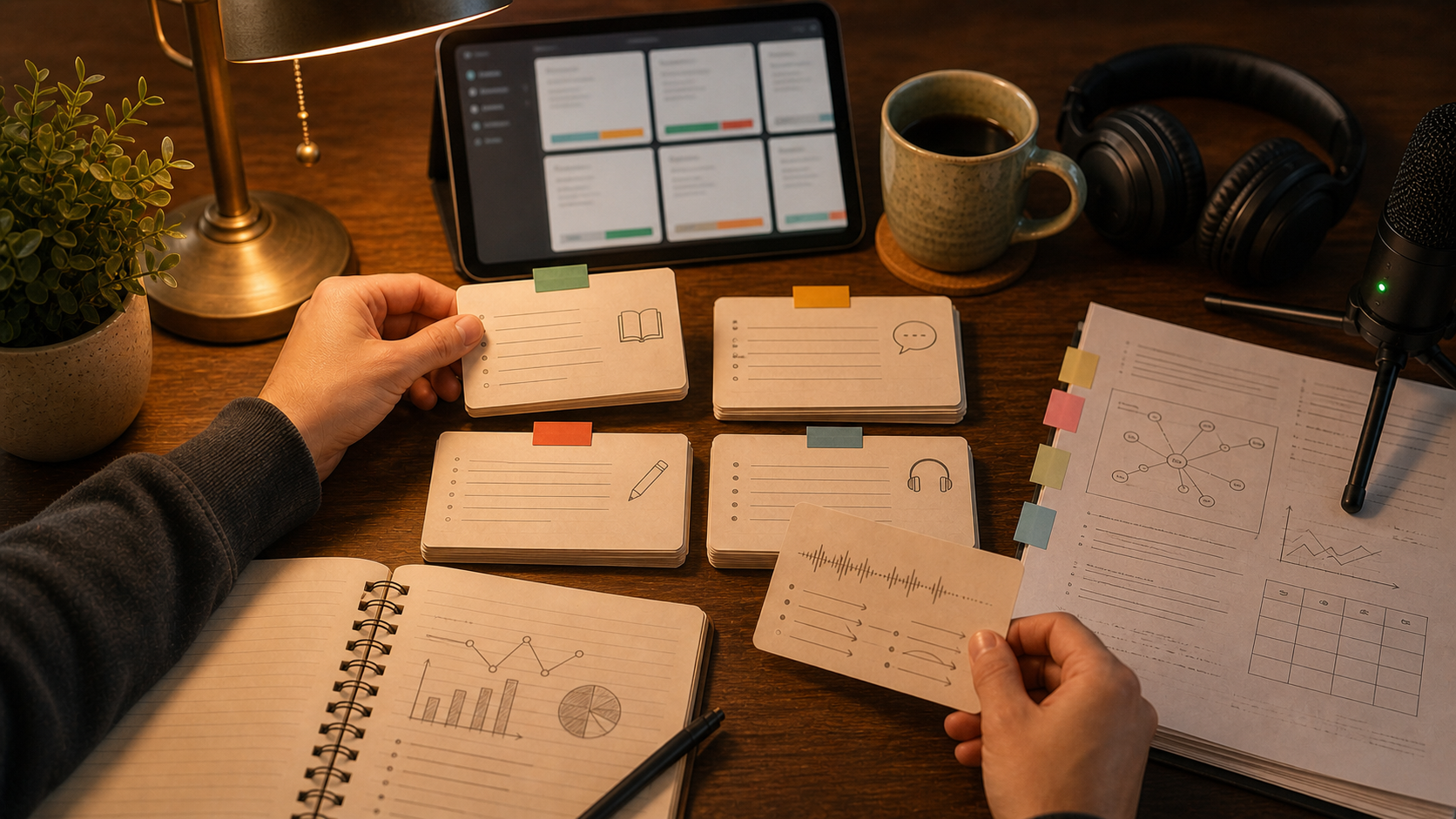
पहले उसी IELTS version से शुरू करें जो आप वास्तव में देने वाले हैं
Official IELTS site के अनुसार test के चार sections होते हैं: Listening, Reading, Writing, और Speaking। वही site यह भी बताती है कि Speaking और Listening, Academic और General Training दोनों versions में एक जैसे रहते हैं, जबकि Reading और Writing version के हिसाब से बदलते हैं। IELTS Academic के लिए published timing लगभग 30 minutes Listening, 60 minutes Reading, 60 minutes Writing, और 11 से 14 minutes Speaking है। यह बात इसलिए अहम है, क्योंकि एक बड़ी-सी IELTS deck अक्सर ऐसे कामों को मिला देती है जिन्हें अलग रहना चाहिए। Official format यहां देखें:
मैं memory work को कुछ ज्यादा साफ तरीके से बांटूंगा:
| Section | मजबूत cards में क्या होना चाहिए | कमजोर cards आम तौर पर क्या भरते हैं |
|---|---|---|
| Listening | paraphrases, signpost phrases, बार-बार आने वाले confusion points, note-completion traps | transcript के लंबे टुकड़े |
| Reading | question-type cues, paraphrase pairs, answer-check habits, बार-बार दोहराए जाने वाले miss patterns | article summaries और बड़ी vocabulary lists |
| Writing | flexible sentence frames, comparison language, task structure, self-correction rules | पूरे model essays |
| Speaking | cue-card expansion prompts, useful phrase chunks, follow-up patterns, pronunciation trouble spots | याद किए हुए scripts |
असल बदलाव बस इतना है। आपकी deck को आपको फैसले लेने और language produce करने में मदद करनी चाहिए। उसका मकसद सिर्फ यह दिखाना नहीं होना चाहिए कि आपने 700 vocabulary cards जमा कर लिए।
Vocabulary cards को वाक्यों के भीतर रहना चाहिए
British Council की IELTS preparation guide साफ तौर पर flashcards बनाने की सलाह देती है, और उसकी vocabulary advice यह भी कहती है कि phrasal verbs को पूरे sentences में पढ़ें ताकि उनका इस्तेमाल समझ में आए। यह उसी बात से मेल खाता है जो असली decks में अक्सर काम करती है:
- 10 Effective Techniques for Preparing for IELTS
- Best Phrasal Verbs with Examples: Key Vocabulary for IELTS
इसीलिए मैं system के center में raw word-list cards नहीं रखूंगा।
Weak card:
- Front:
significant - Back:
important
बेहतर cards:
-
Front: IELTS Task 1 की trend sentence में कौन-सा adjective फिट बैठता है, जब बदलाव बड़ा और measurable हो?
-
Back:
significant -
Front: Sentence पूरा करें:
There was a ______ increase in online purchases after 2022. -
Back:
significant -
Front:
The researchers carried out a surveyमेंcarry outका क्या मतलब है? -
Back: To conduct or perform something.
Sentence cards ज्यादा उपयोगी होते हैं, क्योंकि वे meaning, grammar, और exam context को एक साथ संभालकर रखते हैं।
अगर आपका main goal exam के बाहर broader language growth है, तो 2026 में भाषा सीखने के लिए फ्लैशकार्ड का इस्तेमाल कैसे करें बेहतर companion article है।
IELTS Speaking cards को scripts नहीं, expansion सिखाना चाहिए
Speaking decks बहुत जल्दी खराब हो जाती हैं जब वे script storage बन जाती हैं।
Official IELTS sample-task page कहती है कि Speaking test interactive होता है, तीन parts में होता है, और आपसे personal questions के जवाब, किसी topic पर बोलना, और फिर उसी topic पर गहराई से discussion मांगी जाती है। British Council का speaking practice page यह भी कहता है कि आपको अपनी recorded practice test को वापस सुनना चाहिए। यह किसी tutor के sample answer को copy करने से कहीं बेहतर flashcard source है:
मैं Speaking cards को चार चीजों के आसपास बनाऊंगा:
- cue-card expansion
- topic-specific phrase chunks
- follow-up question patterns
- आपकी अपनी बार-बार होने वाली speaking mistakes
Examples:
-
Front: अगर Part 2 prompt किसी memorable teacher के बारे में पूछे, तो कौन-से चार checkpoints आपको बोलते रहने में मदद करेंगे?
-
Back: वह व्यक्ति कौन था, आप उसे कहां से जानते थे, उसने क्या किया, और वह यादगार क्यों रहा।
-
Front: Part 3 में सोचने के लिए एक पल खरीदने वाली कौन-सी phrase है जो robotic न लगे?
-
Back:
One reason I think that is... -
Front: environment topics में आपकी बार-बार दोहराई जाने वाली speaking mistake क्या थी?
-
Back: मैं बार-बार
people should reduceकह रहा था, लेकिन यह नहीं बता रहा था कि क्या कम होना चाहिए या क्यों। -
Front: recorded practice answer सुनने के बाद आपको क्या review करना चाहिए?
-
Back: वे phrases जिन्हें आपने दोहराया, जहां आप अटके, और वे ideas जिन्हें आप साफ तरह से expand नहीं कर पाए।
इस तरह आपके पास ऐसी deck बनती है जो असली response-building में मदद करे। अगर examiner wording थोड़ा बदल दे, तो भी card काम करता है।
अगर voice practice आपके workflow का हिस्सा है, तो 2026 में भाषा सीखने के लिए ChatGPT Voice का इस्तेमाल कैसे करें इसके साथ अच्छी तरह फिट बैठता है।
Reading और Listening cards को paraphrases और traps पकड़ने चाहिए
IELTS Reading और Listening दोनों एक ही आदत की सजा देते हैं: यह मान लेना कि source वही wording दोबारा दोहराएगा।
Official sample-task pages दिखाती हैं कि Reading में matching headings से लेकर note completion और short-answer questions तक कितने अलग task types आ सकते हैं। यह card design के लिए एक साफ clue है। Deck को उस cue को बचाकर रखना चाहिए जो आपको task पहचानने में मदद करे, और उस wording shift को भी जिसने आपको गलत कराया।
काम के Reading और Listening card types:
- paraphrase pairs
- question-type reminders
- note-completion grammar checks
"I picked the wrong option because..."error cards
Examples:
-
Front: Reading में passage और सही answer choice के बीच आम तौर पर क्या बदलता है?
-
Back: wording बदलती है, लेकिन meaning वही रहती है; trap यह है कि आप सिर्फ repeated words खोजते रह जाएं।
-
Front: कौन-सा note-completion check बहुत-सी avoidable Listening mistakes पकड़ लेता है?
-
Back: answer commit करने से पहले word form और number limit मिला लें।
-
Front: matching-headings questions में आपकी Reading mistake बार-बार क्या थी?
-
Back: मैंने वह heading चुन ली जो किसी एक detail से match करती थी, paragraph की main function से नहीं।
-
Front: कौन-सा signpost अक्सर बताता है कि speaker पिछली idea को correct या narrow करने वाला है?
-
Back:
actually,rather,instead, याthe main point isजैसी phrases।
copied transcript text से भरे लंबे cards की तुलना में ये कहीं बेहतर IELTS फ्लैशकार्ड हैं।
Writing cards को full essays नहीं, reusable moves store करने चाहिए
यहीं students आम तौर पर जरूरत से ज्यादा material save कर लेते हैं।
Official Academic sample-task page कहती है कि Task 1 में visual information को describe करने के लिए लगभग 150 words लिखने होते हैं, जबकि Task 2 में किसी point of view, argument, या problem पर लगभग 250 words लिखने होते हैं। यह इसलिए उपयोगी है क्योंकि इससे साफ होता है कि card को क्या preserve करना चाहिए: दोहराए जा सकने वाले language moves, न कि पूरे याद किए हुए paragraphs।
Academic Writing के लिए मैं cards इन चीजों पर बनाऊंगा:
- comparison verbs और nouns
- trend language
- Task 1 के structure checks
- Task 2 के claim-reason-example patterns
- grammar mistakes जो आपकी अपनी drafts में बार-बार लौटती हैं
Examples:
-
Front: line graph थोड़े समय में बहुत तेजी से ऊपर जाए, तो कौन-सा verb फिट बैठता है?
-
Back:
surged, अगर increase sharp हो और data उसे support करता हो। -
Front: chart पहली बार पढ़ते समय Task 1 में safe opening move क्या है?
-
Back: prompt को paraphrase करें और बताइए कि visual क्या compare कर रहा है।
-
Front: कौन-सी simple structure Task 2 body paragraph को भटकने से बचाती है?
-
Back: clear claim, explanation, example, फिर question से link back।
-
Front: आपकी essays की clarity कम करने वाली writing error बार-बार क्या थी?
-
Back: मैं एक specific example देने से पहले बहुत-सी general statements जोड़ देता था।
General Training के लिए chart-heavy cards की जगह letter purpose, tone, और request-response patterns रखिए। Logic वही है, surface अलग है।
अगर आपके writing cards full model answers जैसे दिखने लगें, तो उन्हें तब तक छोटा कीजिए जब तक वे reusable न बन जाएं।
Official practice और आपकी अपनी गलतियां सबसे अच्छा card source हैं
British Council की preparation guide कहती है कि अपनी weaknesses पर focus करें, mock tests के साथ practice करें, और चारों skills पर काम करें। Flashcards के लिए यही सबसे अच्छा source है।
मैं इन inputs पर किसी बहुत बड़ी premade IELTS deck की तुलना में कहीं ज्यादा भरोसा करूंगा:
- official sample tasks
- आपकी अपनी checked writing
- आपकी अपनी recorded speaking practice
- आपकी अपनी Reading और Listening mistakes
Workflow सीधा है:
- एक practice block कीजिए
- एक sentence लिखिए कि असल में क्या fail हुआ
- उस sentence को एक reusable memory target तक घटाइए
- सिर्फ वही card बनाइए
Examples:
Listening: मैंने सही place name सुना, लेकिन answer singular होना चाहिए था और मैंने plural form लिख दिया।Reading: मैंने heading को paragraph की main role के बजाय एक example से match कर दिया।Writing: मेरे Task 2 paragraph में opinion और example था, लेकिन उन्हें जोड़ने वाली explanation नहीं थी।Speaking: मैंने सवाल का जवाब दिया, लेकिन सिर्फ एक छोटी point के बाद रुक गया और उसे develop ही नहीं किया।
यही वह तरीका है जिससे deck हर हफ्ते बेहतर होती है, सिर्फ बड़ी नहीं।
अगर आपका source material ज्यादातर question review है, तो 2026 में अभ्यास प्रश्नों को फ़्लैशकार्ड में कैसे बदलें अगला सबसे relevant article है।
AI का इस्तेमाल notes को compress करने के लिए करें, deck invent करने के लिए नहीं
AI यहां उपयोगी है, लेकिन उतने बड़े काम के लिए नहीं जितना लोग मान लेते हैं।
मैं AI का इस्तेमाल इन कामों के लिए करूंगा:
- आपकी miss notes को cleaner front/back cards में बदलने के लिए
- education, work, travel, या environment जैसे topics के हिसाब से vocabulary group करने के लिए
- एक ही Speaking या Writing card के कई versions draft करने के लिए
- clumsy answers को छोटा करने के लिए ताकि वे reviewable बन जाएं
लेकिन मैं AI को यह permission नहीं दूंगा कि उसने पचास cards बना दिए, इसलिए वे अपने-आप अच्छे मान लिए जाएं।
बेहतर loop यह है:
- practice कीजिए
- miss को अपने शब्दों में capture कीजिए
- AI से दो या तीन tighter card versions मांगिए
- एक रखिए
- बाकी delete कर दीजिए
इससे deck generic internet advice के बजाय आपकी असली IELTS problems पर grounded रहती है।
अगर आप इस workflow का broader study-method version चाहते हैं, तो 2026 में active recall के लिए AI का इस्तेमाल कैसे करें पढ़ें।
एक deck और कुछ tags आम तौर पर complicated setup से बेहतर होते हैं
आपको शायद इन चीजों की जरूरत नहीं है:
- हर skill के लिए अलग deck
- हर textbook या course के लिए अलग deck
- prep के हर week के लिए अलग deck
आम तौर पर एक simpler structure ज्यादा टिकाऊ होता है:
- एक
IELTSdeck academic,general-training,listening,reading,writing,speakingजैसे tagsparaphrase,task1,task2,cue-card,heading-miss, याplural-formजैसे छोटे tags
इससे आपके पास पढ़ने के लिए एक ही जगह रहती है, लेकिन आप उस हिस्से पर zoom in भी कर सकते हैं जहां points leak हो रहे हैं।
Flashcards Open Source App इसमें कहां फिट होता है
Flashcards IELTS prep के लिए अच्छा fit है, क्योंकि काम का workflow एक अच्छे अर्थ में narrow और repetitive होता है:
- एक
IELTSdeck रखिए और cards को exam type, skill, और mistake pattern के हिसाब से tag कीजिए - missed questions, rough Speaking notes, और messy Writing fixes को practice के तुरंत बाद front/back cards में बदलिए
- किसी weak card को तीन अलग तरीकों से rewrite करने के लिए AI chat का इस्तेमाल कीजिए, फिर सिर्फ सबसे साफ version रखिए
- drafting help के लिए plain-text notes या छोटे source snippets attach कीजिए, लेकिन card को खुद text wall मत बनने दीजिए
- finished deck को FSRS के साथ review कीजिए, यह अंदाजा लगाने के बजाय कि अगली बार उसे कब देखना चाहिए
यह 2026 में लोगों के सचमुच पढ़ने के तरीके के ज्यादा करीब है। आप एक Listening section खत्म करते हैं, देखते हैं कि तीन paraphrases और एक number-format trap miss हुए, और कुछ ही मिनटों में उन्हें चार cards में बदल देते हैं। आप एक Speaking answer record करते हैं, वह phrase पकड़ते हैं जिसे आप बार-बार दोहरा रहे हैं, और एक card और जोड़ देते हैं। Small loop, clean deck, better reviews.
बेहतर IELTS deck
अगर मैं आज IELTS के लिए फ्लैशकार्ड बनाता, तो rules को सीधा ही रखता:
- vocabulary को sentences में रखिए
- Speaking cards में expansion और follow-up habits store कीजिए
- Writing cards में reusable structures और self-corrections रखिए
- Reading और Listening cards में paraphrases और miss patterns रखिए
- generic premade decks की तुलना में official practice को ज्यादा महत्व दीजिए
- AI cards draft करे, लेकिन क्या बचेगा यह फैसला आप करें
यह IELTS की तैयारी कैसे करें का कहीं बेहतर जवाब है, बजाय इसके कि आप एक बहुत बड़ा vocabulary warehouse बना लें और एक हफ्ते बाद उसे छोड़ दें।
अगर आप यही workflow actual product के अंदर आजमाना चाहते हैं: